
John AldersPublished 6 min read
A progressive with prism comes back billed higher than you quoted the patient. A rush you called in twice is still somewhere in the system, and nobody on the phone can tell you where.
If that sounds like your week, the problem may sit above the lab, in who owns it. Here is what changes when your work goes to one of the independent wholesale optical labs.
What is an independent wholesale optical lab?
An independent wholesale optical lab is a lab with no parent company. It sets its own prices, buys its own materials and runs its own schedule. A manufacturer-owned lab belongs to a company that also makes and sells lenses.
Over the years, the company that owns most of the lens brands has bought many of the labs that cut them. So a lot of practices now send work to a lab whose parent also sells them the lens design and the coating. That lab has a reason to steer you toward the parent’s brands.
On the things a practice deals with every week, the two compare like this.
| Independent lab (ITFIT) | Manufacturer-owned lab | |
|---|---|---|
| Prism, cylinder, specialty surfacing | In the flat rate | Often a separate charge |
| Where the job is made | One building: surfacing, coating, edging | Can move between labs in the network |
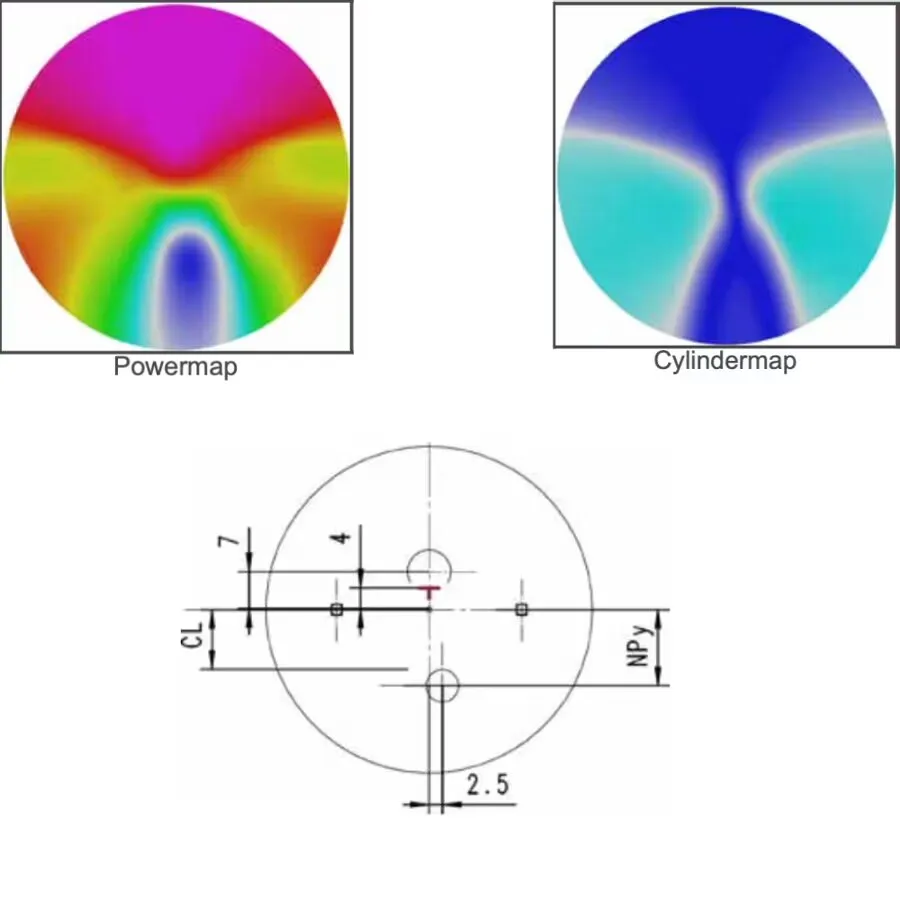
| Lens designs | A free-form design engineered in Germany | Mostly the parent’s brands |
| Minimum order | None: one job or a hundred | Varies |
| When you call about a job | Someone who can look at it | Varies |
A big lab can make a good lens. The trouble is the relationship: the big labs don’t care about you as a business.
At ITFIT: we are independently owned. We set our own prices, buy our own materials and run our own schedule. Most of what follows comes from that one fact.
Does an independent optical lab cost less than a corporate lab?
An independent lab can cost you less, and it gives you fewer surprises on the invoice. Many lab price sheets start with a base price, then add a line for prism, another for cylinder and another for specialty surfacing. Each charge is small on its own.
Together they are the gap between what you quoted the patient and what the invoice says. Your practice either absorbs that gap or makes an awkward phone call.
The same goes for the lens itself. An independent lab can make a free-form progressive for a fraction of the price of a branded one. The patient still gets a digitally surfaced lens, and the margin stays with your practice.
At ITFIT: it’s just a flat rate. Prism, cylinder and specialty surfacing are included in the price of ITFIT Elite lenses, so nothing is added after the job is cut. We don’t nickel-and-dime: the number on the price sheet is the number on the invoice, and the quote you gave the patient holds.
Why does it matter that an independent lab does everything in-house?
It matters because a job that stays in one building can’t get lost between two. Take a progressive with AR. Inside a lab network it can be surfaced in one building and coated in another, and every handoff is a place for a day to slip.
Hard prescriptions show the same gap. Some labs send a job back when the prescription falls outside what their blanks and tools cover: high power, strong cylinder, a lot of prism. Our surfacing lab makes lenses for every prescription, including the ones other labs send back, and the prism and cylinder in a hard job aren’t billed on top.
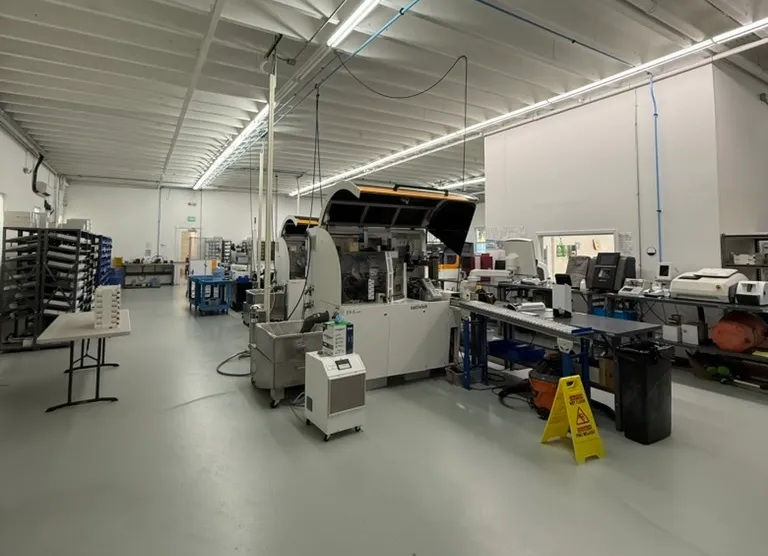
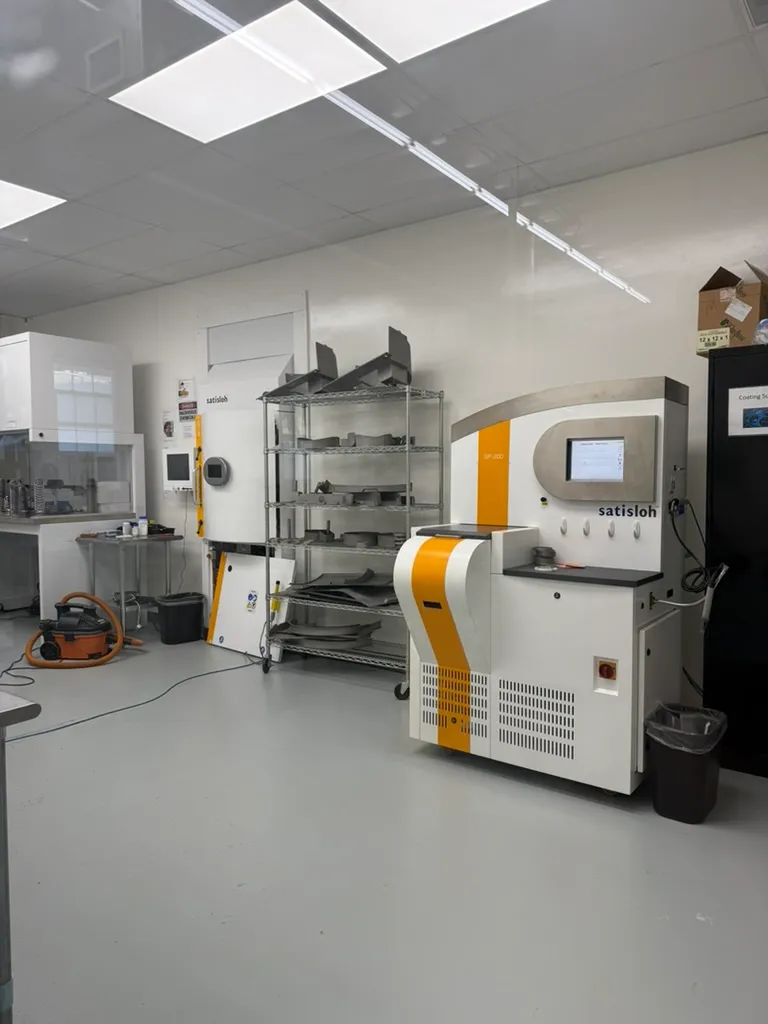
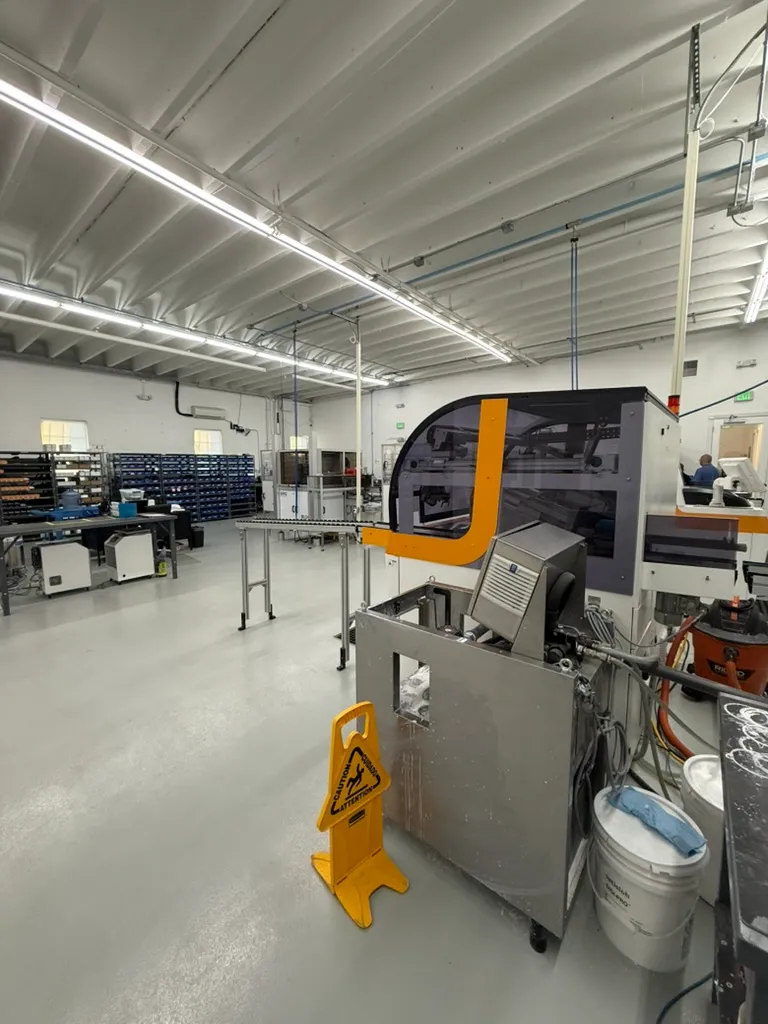
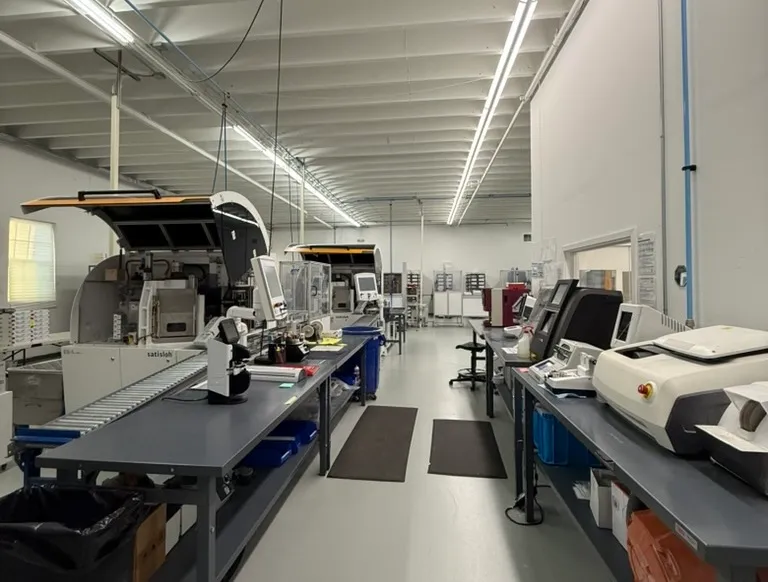
At ITFIT: we do everything in-house, from digital surfacing and polishing to coating, edging and drilling. The AR goes on in the same building that cut the lens, so nothing waits on a truck or on somebody else’s schedule. We run about 1,000 jobs a day, and more when we need to, on Satisloh surfacing and coating equipment.
How fast does an independent lab turn a job around?
At an independent lab like ours, single vision ships in 1-2 business days, progressives in 2-3 business days, and rush jobs go out in 1-2 days. Shipping is on top of that, and you pick the method per order.
The shipping page lists all five methods, with times and prices. That gives your front desk a date it can promise a patient.
At ITFIT: we always know where your jobs are. Call about an order and the person who answers can go and look at it. That’s the answer your front desk needs when a patient asks where their glasses are.
What return rate should you expect from a wholesale optical lab?
You should expect a lab to give you its return rate as a number. A remake costs you a second visit and a patient who now doubts the glasses, so it is worth asking before you send the first job.
Ask about non-adapts too. When a patient can’t adapt to a progressive, we redo the job.
At ITFIT: our average return rate is 0.48%: fewer than 5 lenses back for every 1,000 we make. That comes from 40 years in lens manufacturing, and from technicians who have done this long enough to catch what a machine can’t.
What should you ask a lab before you switch?
Ask about extra charges, outside work, who answers the phone, the return rate and the minimum order. Here they are as questions you can put to any lab before you send it a job:
- Is prism, cylinder or specialty surfacing charged on top of the base price?
- Which parts of the job, if any, go to another lab?
- When I call about a job, who answers, and can they see it?
- What is your return rate, as a number?
- Is there a minimum order?
At ITFIT: our answers, in order, are no, none, someone who can look at it, 0.48%, and no. There’s no minimum, so you can start with one job. New accounts get their own account manager and their first two jobs free, so you can judge the work before you pay for it.
When you pick a lab, you pick a price sheet, a turnaround and a person on the phone along with the lenses. An independent lab decides all three itself.
Fill in the VisionWeb sign-up form and we add your practice to our VisionWeb account, usually the same business day. You can also order by Lens-Sync, phone or fax.
Questions
What is an independent optical lab?
A lab with no parent company. It sets its own prices, buys its own materials and runs its own schedule. ITFIT is independently owned.
Does ITFIT charge extra for prism or cylinder?
No. ITFIT Elite is a flat rate. Prism, cylinder and specialty surfacing are included in the price, and nothing is added after the job is cut.
Does ITFIT send any part of a job to another lab?
No. Digital surfacing, coating, edging and drilling all happen in our own building, so a job doesn't wait on a second lab.
How many jobs does ITFIT run a day?
About 1,000 jobs a day, and more when we need to.
Can a new account try the lab before paying?
Yes. A new account's first two jobs are free, so you can judge the work first. They also get their own account manager.
Which ordering systems does ITFIT take?
VisionWeb, Lens-Sync, phone and fax. We add new practices to our VisionWeb account, usually the same business day.