

Mark ReidPublished 6 min read
A sales rep leaves a brochure for an edger, and the pitch is simple: same-day single vision, no waiting on the lab, and the edging margin kept in the practice. Then someone has to run it.
Before you buy one, know what lens edging takes, which jobs are easy to get wrong, and what the lab needs when you send the job out finished.
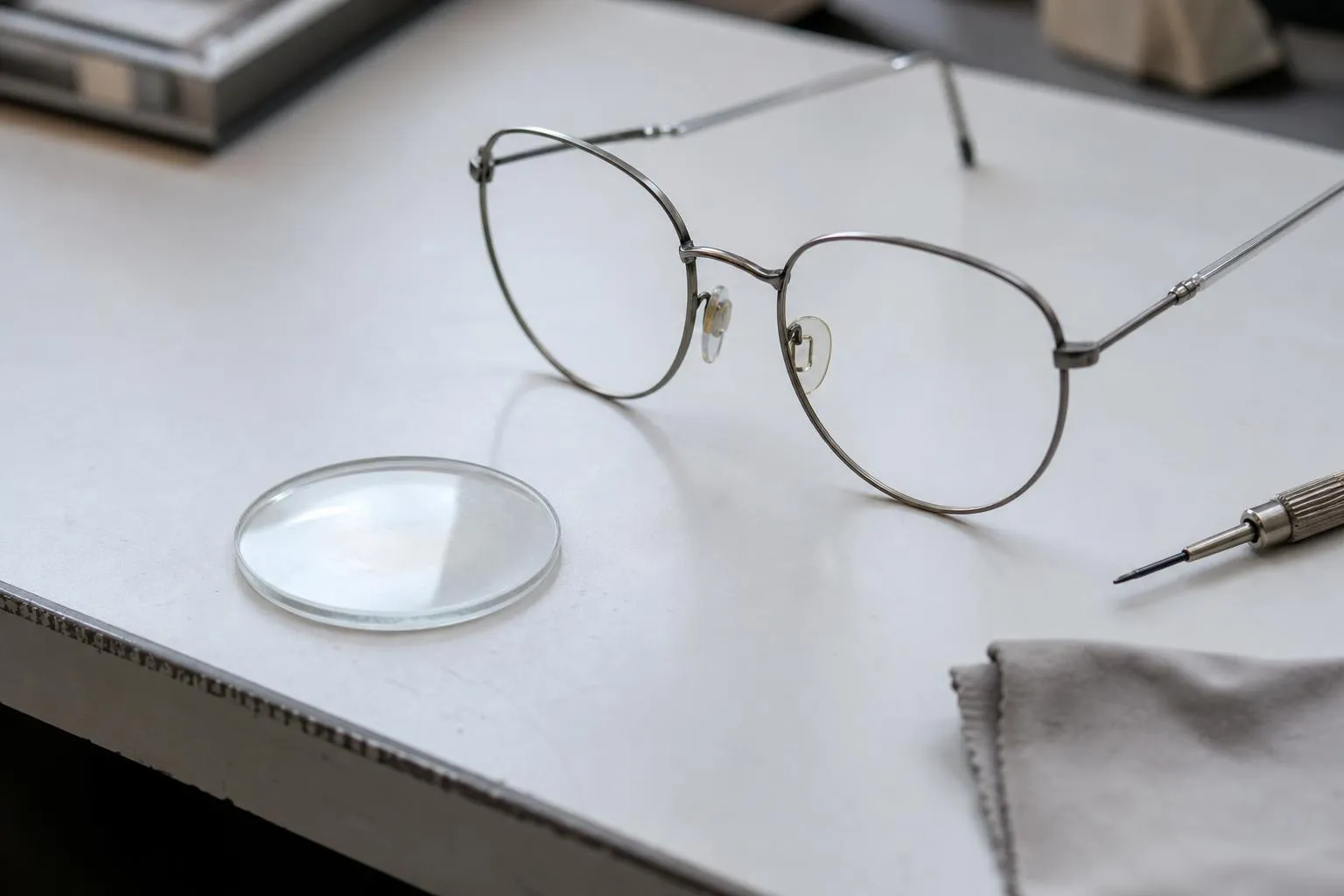
What does lens edging involve?
Lens edging cuts a round, finished lens to the frame’s shape, with the optical centre or fitting cross where the order puts it. It takes four steps.
- Trace. A tracer reads the shape of the frame’s lens opening, or of the demo lens for a rimless frame.
- Lay out and block. The lens is marked and lined up: a single vision lens on its optical centre and cylinder axis, a progressive on its fitting cross, levelled on its two engravings. A block is stuck on so the edger holds it in that position.
- Edge. The edger cuts the traced shape and forms the edge the frame needs: a bevel for a full-rim frame, a flat edge with a groove for grooved rimless, a flat edge for a drill mount.
- Finish. Holes for a drill mount, a small safety bevel on the sharp edges, a polish where the edge will show, then the lens goes into the frame and is checked.
What the machines do to the lens is in how progressive lenses are made.
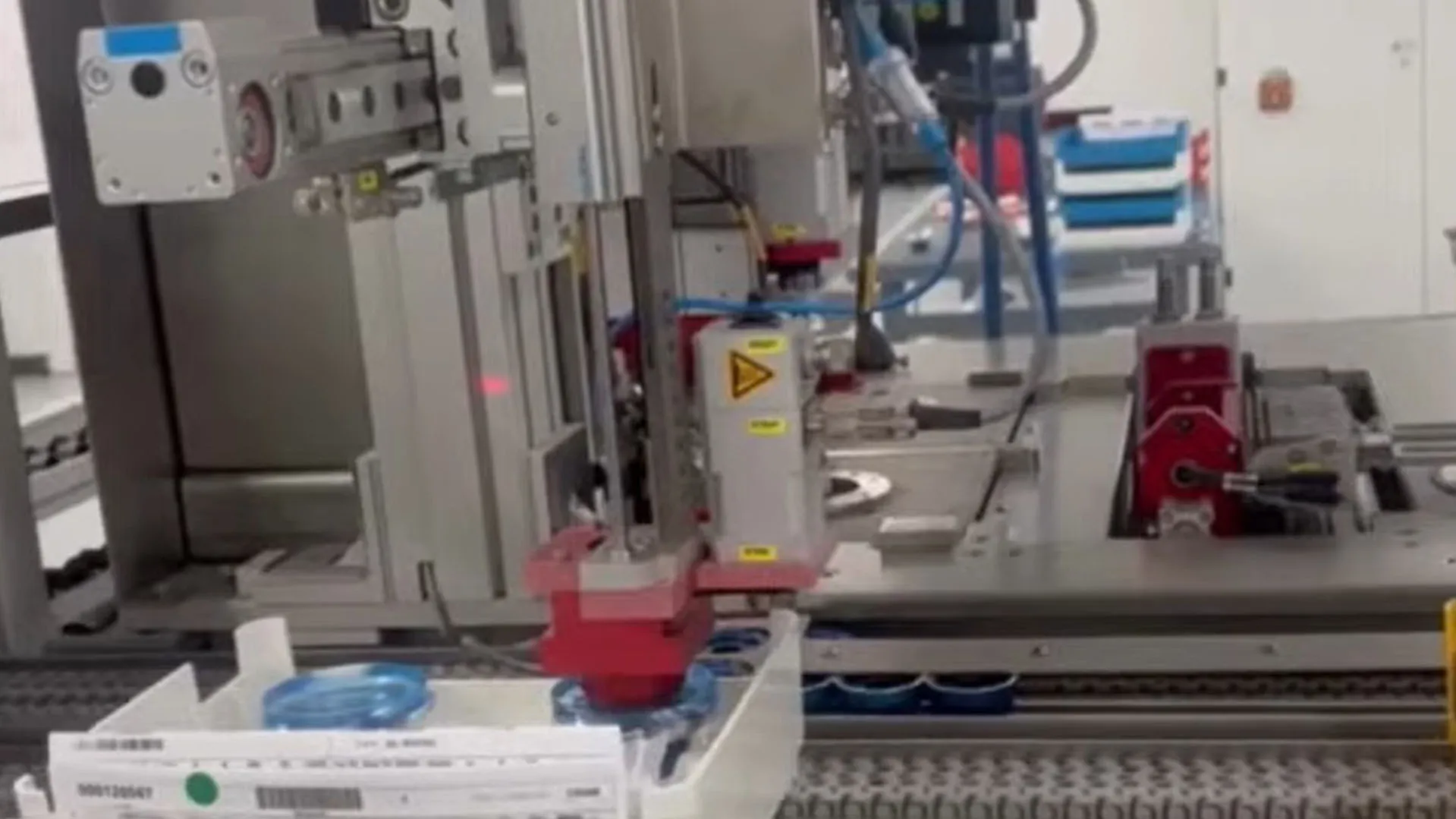
At ITFIT: edging is one step in one building. We do everything in-house, from digital surfacing and coating to edging and drilling, on about 1,000 jobs a day.
What does in-house lens edging cost a practice?
In-house edging costs equipment and space, a trained person’s time on every job, and the price of every lens that gets cut wrong.
The equipment is a tracer, a blocker and an edger, often sold as one system, plus a drill if you want to mount rimless. Stock single vision lenses sit on your shelf. Everything else you order uncut from the lab, surfaced and coated, still round.
The skill is the part the brochure leaves out. Laying out a progressive, placing a bevel on a thick edge and drilling to a frame’s hardware are learned on real jobs. A practice with one trained person has one person who can do them.
Then the remakes. When you edge a lens too small, the next lens goes on your bill. A lens cut too small can’t be made bigger.
At ITFIT: when we edge and mount the job, a lens cut wrong is our remake. Our average return rate is 0.48%: fewer than 5 lenses back for every 1,000 we make.
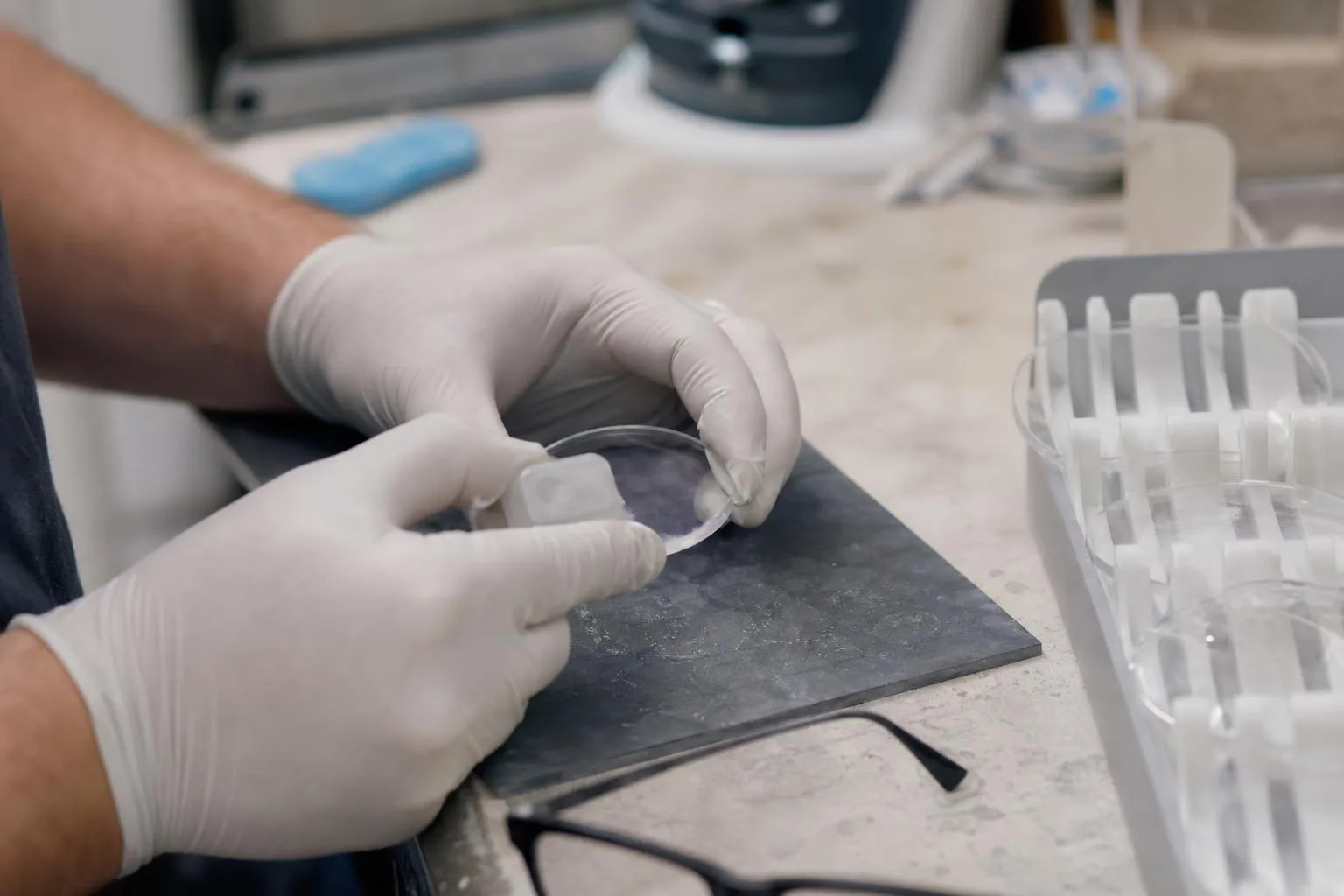
What does it cost to have the lab edge your lenses?
Sending it finished costs the lab’s edging charge, the frame’s trip to the lab, and the days the patient waits for both.
There are three ways to send a job, and each splits the work differently.
| Route | The lab sends back | Your part | What travels |
|---|---|---|---|
| Uncut | Round lenses, surfaced and coated | Trace, lay out, edge and mount | Lenses, one way |
| Edged to your tracing | Lenses cut to shape | Mount and check | A tracing out, lenses back |
| Edged and mounted | Finished glasses | Check and dispense | The frame, both ways |
Edged and mounted makes the edging the lab’s job, errors included. Edged to your tracing keeps the frame in the practice, and you still mount and check.
At ITFIT: single vision leaves the lab in 1-2 business days and progressives in 2-3, edged in the same building that surfaced them. In South and Central Florida, OTD delivers the next business day. Ask for our edging prices through lab pricing.
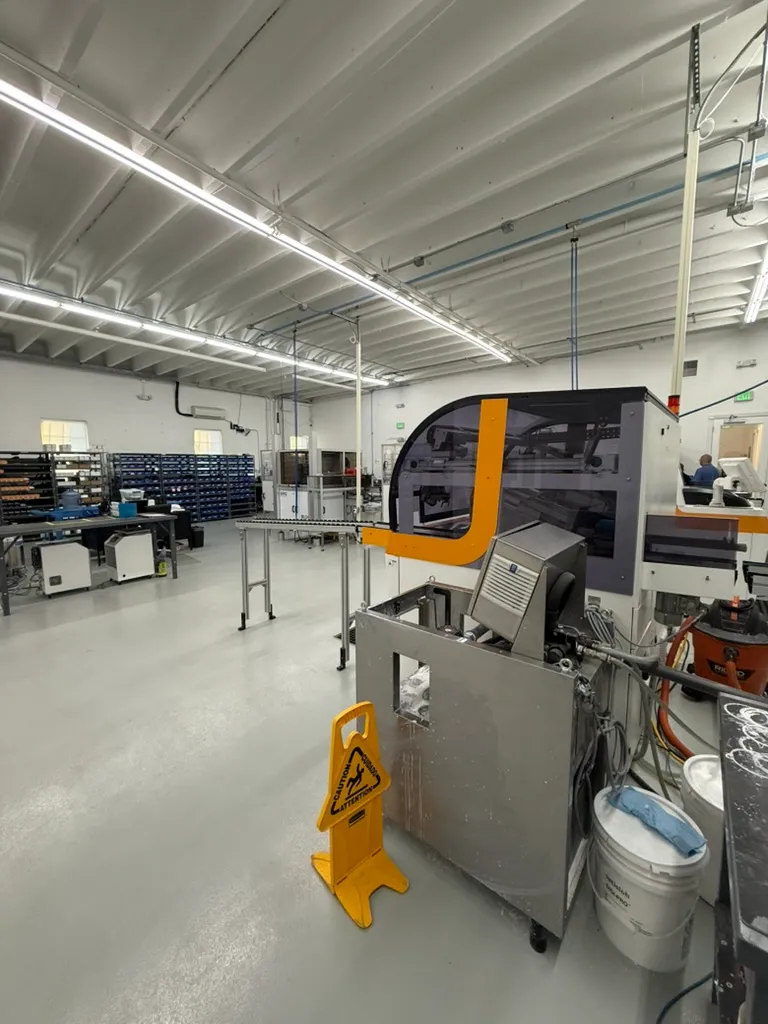
Which lenses are hardest to edge?
High wrap frames, drill mounts, high minus lenses and compensated free-form lenses are the hardest, because each leaves less room for error at layout or at the edge.
High wrap frames take a steeply curved lens, and the bevel has to follow a lens opening that curves around the face. Place it wrong and the lens sits strained in the rim or pops out. The lens powers need compensating for the wrap too, which our free-form guide covers.
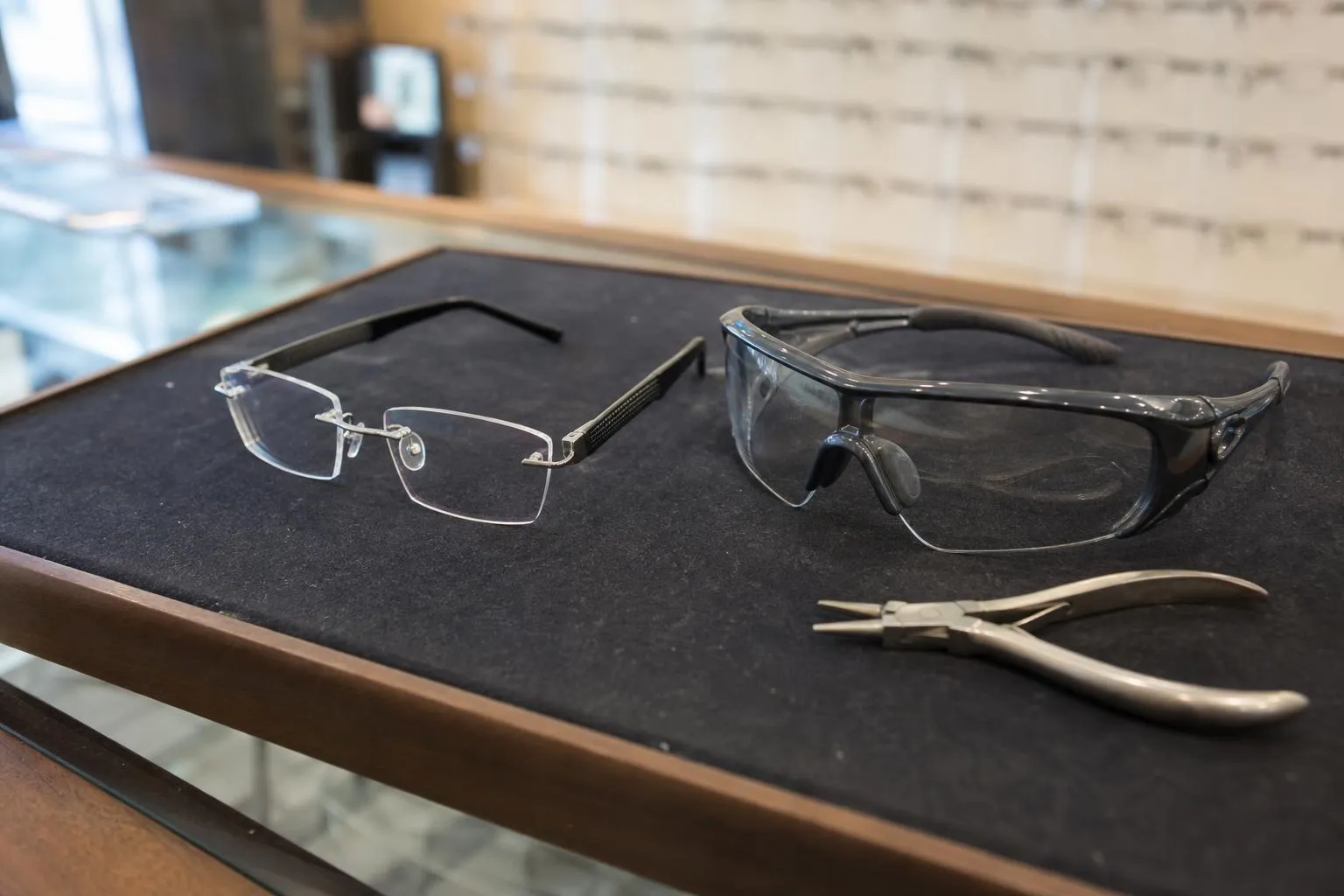
Drill mounts need holes that land where the frame’s hardware sits, at the angle it needs, in a material that takes a drill without cracking.
High minus lenses have a thick edge, so where the bevel sits on it decides how much of the lens sticks out in front of the rim or behind it.
Compensated free-form lenses read the compensated values on a lensometer, and those can differ from the written Rx, axis included. Lay the lens out on the lab’s marks and its engravings. Line it up on the written axis instead and the lens can go in rotated.
At ITFIT: drill mounts and grooved rimless are edged in our own building, along with full-rim frames.
Should you edge lenses in-house or send them to the lab?
Split it by job: edge stock single vision in the practice if you have the volume and a trained person, and send progressives, drill mounts and hard prescriptions out finished.
Before you buy, count a month of jobs. How many are single vision from stock, and how many are progressives, drill mounts or high wrap? The first number is the work an edger would do, and the second is the work you’d send finished anyway.
For the jobs you send, the lab needs the frame, or a tracing if you’ll mount the lenses yourself. Add the frame type, so the lens gets the right edge, and the monocular PDs, plus fitting heights on a progressive, taken in the adjusted frame. On a drill mount, send the demo lenses too: they show where the holes go.
At ITFIT: there’s no minimum order, so you can send one hard job and keep edging the easy ones yourself.
An edger earns its place on the stock single vision you cut every week. The rest can go out finished, ready for you to check and dispense.
To send us the second pile, open an account through VisionWeb. New accounts get their first two jobs free.
Questions
What is the difference between uncut and edged lenses?
Uncut lenses are surfaced and coated but still round. Edged lenses have been cut to the frame's shape, ready to mount.
What does a lens tracer do?
It reads the shape of the frame's lens opening, or of a demo lens, and passes it to the edger or to the lab.
What is a safety bevel?
A small chamfer on the sharp edges of an edged lens, so the edge is less likely to chip and safer to handle.
Why is a high minus lens harder to edge?
Its edge is thick, and where the bevel sits on that edge decides how much of the lens sticks out in front of the rim or behind it.
How is a progressive lined up for edging?
On its fitting cross, levelled on its two engravings, so the lens sits straight and the cross lands at the fitting height and monocular PD on the order.
Does ITFIT edge drill mounts and grooved rimless?
Yes, in our own building, along with full-rim frames.
What does ITFIT need to edge and mount a job?
The frame, its type, the monocular PDs, and fitting heights on a progressive. For a drill mount, send the demo lenses too.