
Progressive lens non-adaptation: what the lab can fix
Which non-adapt complaints trace back to a measurement, the frame, the design or the prescription, and which of them a redo can fix.
Mark ReidPublished 7 min read
Distance is soft when the patient looks straight ahead. Or the reading area is hard to find, or the sides swim when they turn their head. A week in, the note on the job says non-adapt.
Before they give up on progressives, find the cause. Progressive lens non-adaptation has more than one, and a redo at the lab fixes only some of them. Others start in the frame, the prescription or the way the patient uses their eyes, where a new lens made to the same order won’t help.
What counts as progressive lens non-adaptation?
Progressive lens non-adaptation means a patient still can’t wear their progressives comfortably after the lens and the fit have both been checked. Until then it’s a complaint with the cause still open.
Check in this order: the lens on the lensometer against the order, compensated values included; the frame on the face; then the fitting heights and monocular PDs, re-measured in the adjusted frame. If the lens is off the order, the lab fixes it. If it matches and the measurements hold up, look at the design, the prescription and the patient.
Which measurement errors cause progressive non-adapts?
Fitting height and monocular PD cause the complaints that are easiest to recognise, because each one moves the corridor away from where the eye looks.
| What the patient says | Likely cause | What to check |
|---|---|---|
| Distance is blurry looking straight ahead, and they drop their chin to see far | Fitting cross above the pupil: height measured high, or the frame sits higher than when it was measured | Pupil centre against the fitting cross, in the adjusted frame |
| They lift their chin to read, or can’t find the reading area | Fitting cross below the pupil: height measured low, or the frame has slid down the nose | The same, and whether the corridor fits the frame depth |
| Reading is clear through one eye only, or the reading area feels narrow | A monocular PD off, such as a binocular PD split in half | Each eye’s PD at distance, from the bridge centre |
| The reading and computer areas both feel narrow | Too little pantoscopic tilt, or the lens too far from the eye | The frame’s tilt and vertex distance |
A redo made to the same wrong fitting height is the same wrong lens. Fix the measurement first.
At ITFIT: our free-form generation holds 0.01 of a diopter, against 0.15 on traditional equipment. A redo is made to the numbers on the order, so take the new ones in the adjusted frame.
How does frame adjustment affect progressive lenses?
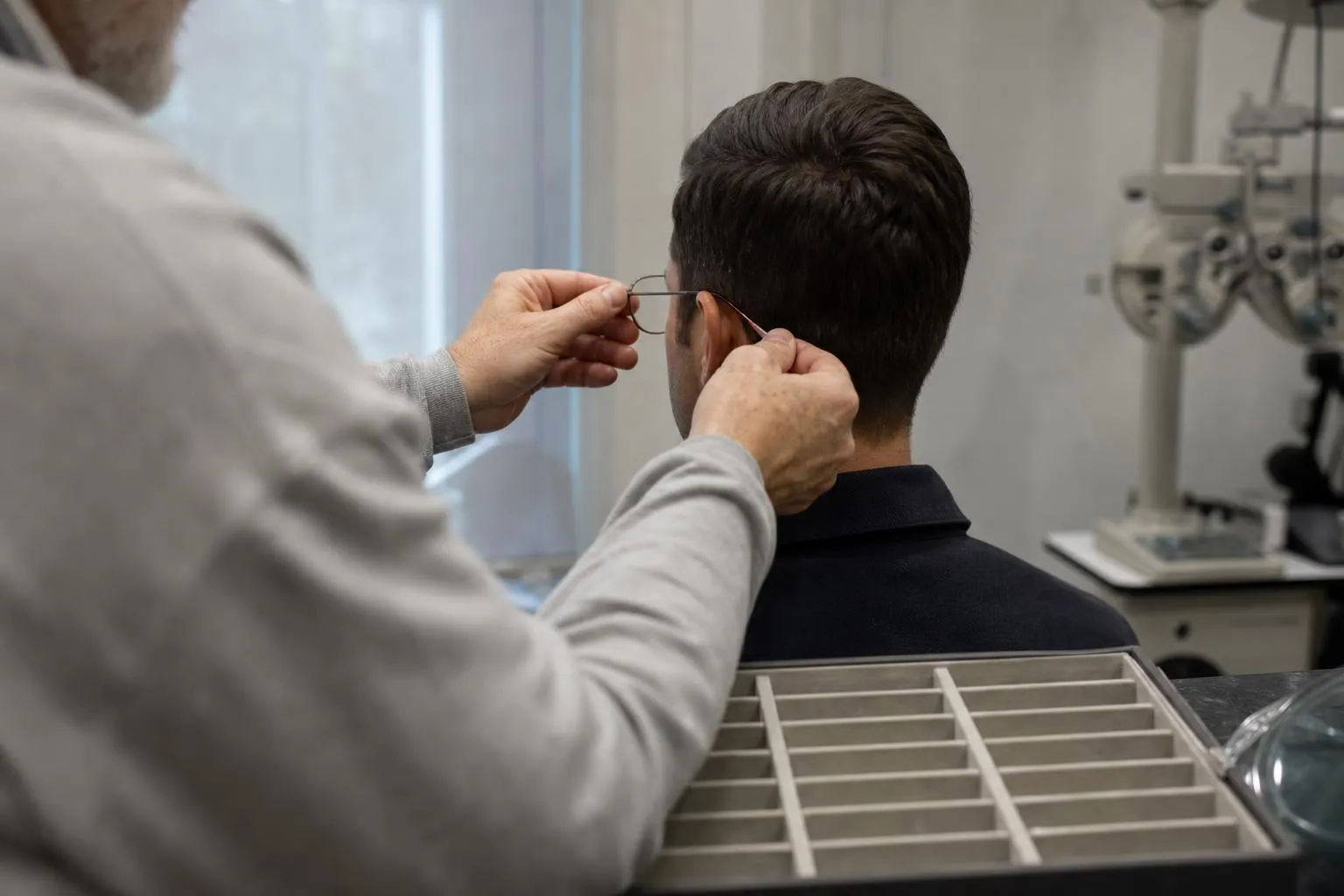
Frame adjustment decides where the lens sits in front of the eye, so when the frame moves, the measurements on the order stop matching the face. A frame that slides 2 mm down the nose puts the fitting cross 2 mm below the pupil, and the patient has to look further down to read.
Pantoscopic tilt brings the lower part of the lens closer to the eye, which widens the reading area the patient sees. A shorter vertex distance does the same for every zone: the closer the lens, the wider the field through it.
The frame also has to be deep enough for the design, so check the maker’s minimum fitting height for the lens you order. A common guide is at least 14 mm of lens below the fitting cross and 10 mm above it, with about 8 to 12 degrees of pantoscopic tilt.
Compensated designs are calculated for the tilt, wrap and vertex on the order, so adjust the frame before you measure and keep it that way at dispensing. Worn at a different vertex, the lens gives the eye slightly different powers from the ones calculated, and the stronger the prescription, the bigger the difference. Our guide to free-form progressives covers the measurements a free-form order needs.
When is a progressive non-adapt caused by the lens design?
A progressive non-adapt comes from the design when the lens matches the order, the fit checks out, and the patient still struggles with how the lens is laid out.
Any progressive surface has some unwanted cylinder beside the corridor, and a higher add or a shorter corridor means more of it. So a first-time wearer with a +2.50 add in a shallow frame is likely to notice more swim than one with a +1.25 add in a deep frame.
The fixes sit on the order. A deeper frame allows a longer corridor, where the design offers one. A patient who spends the day at a screen may need a lens made for intermediate and near, which goes in as a new order.
Coloured edges at the sides are a different problem, often the lens material, and the Abbe value guide covers it.
At ITFIT: our progressives use a free-form design engineered in Germany, cut in our own lab. The design is on our lenses page.
Can the prescription or the patient cause a non-adapt?
Yes, and no lens design can fix a prescription that doesn’t suit the patient. Three things are worth checking before any redo:
- An add too strong for the task. The clear reading distance moves closer than where the patient holds a book, and a screen at arm’s length blurs.
- A big change in cylinder or axis. Floors can seem to tilt and walls to lean whatever lens it’s in, and the progressive gets the blame.
- Unequal powers in the two eyes. Looking down to read, the patient looks through each lens below its centre, where the two lenses give different vertical prism, and that can strain the eyes at near.
All three go back to the prescriber. A new prescription is a new order.
At the pickup, show the patient how to turn their head toward what they want to see, and to drop their eyes with the chin level to read.
What can the lab fix on a progressive non-adapt redo?
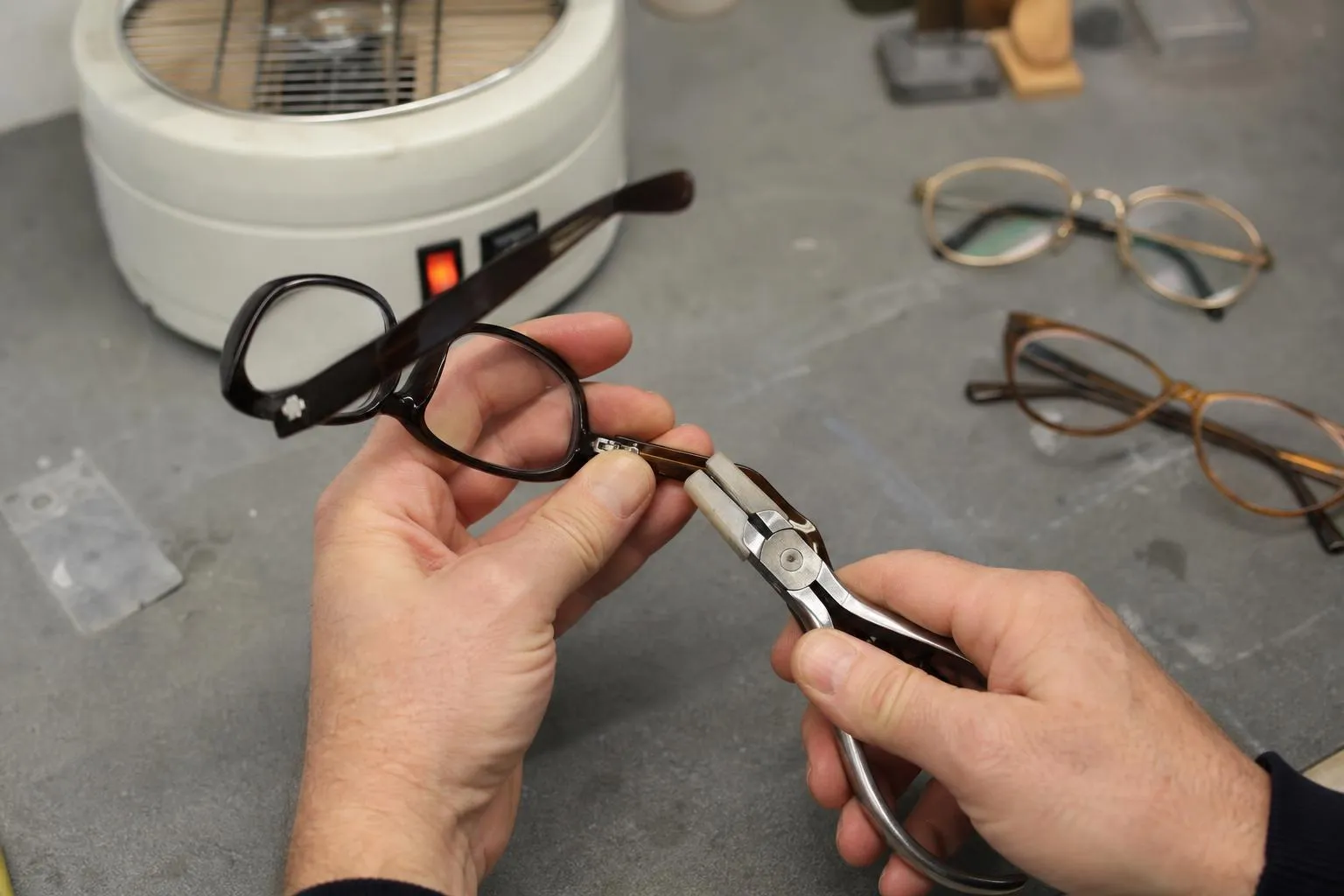
On a redo, the lab can remake the lens to the order, move the corridor, change its length or make it for your frame’s measurements. Each one starts with numbers from your chair.
A lens off the order needs the job number and what reads wrong, and a new fitting height or PD needs measurements taken in the adjusted frame. A different corridor length, where the design has more than one, needs the frame depth or a new tracing. A lens made to your tilt, wrap and vertex, where the design uses them, needs those three.
The lab can’t change the prescription, keep the frame adjusted on the patient’s face, or walk the patient through their first week.
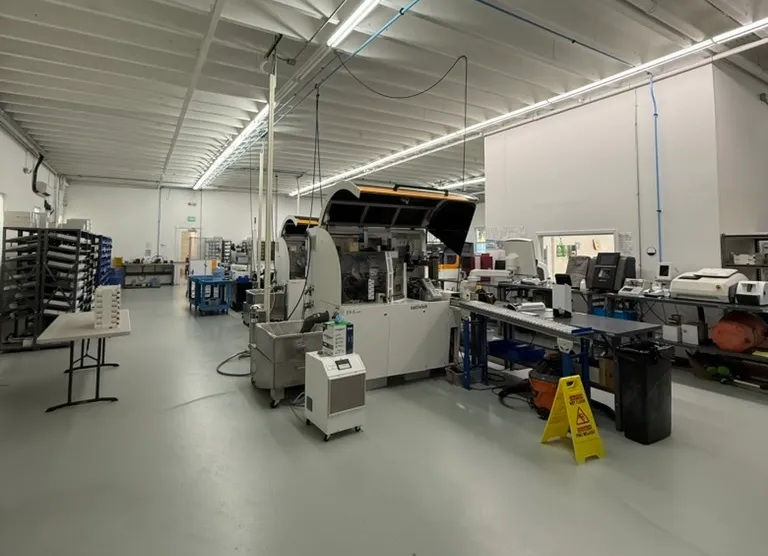
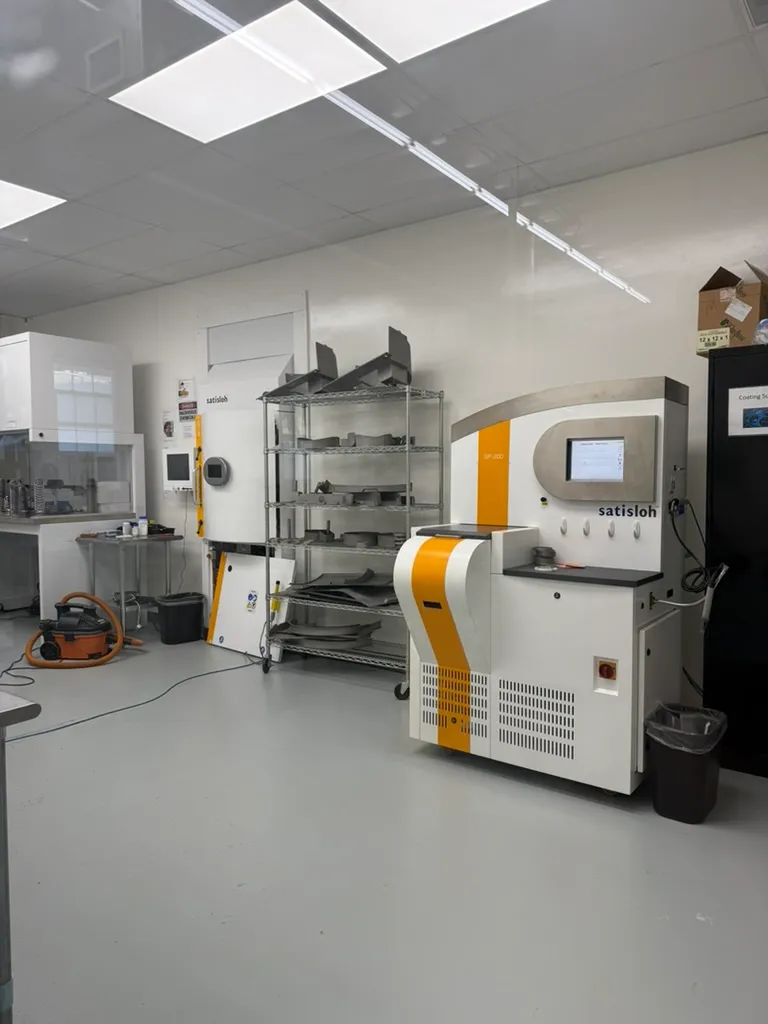
At ITFIT: we redo non-adapts, and the new lens is surfaced, coated and edged in our own building. Send the redo with the new measurements and the patient’s complaint in their own words: where the blur is, and what they were doing when they noticed it. Our average return rate is 0.48%, fewer than 5 lenses back for every 1,000 we make.
A non-adapt is found in the chair, with a lensometer, the frame on the face and a fresh set of measurements. Send the lab what you found, and the redo is made to it.
To send your next progressive to us, open an account through VisionWeb; we add your practice, usually the same business day.
Questions
Why does a patient lift their chin to read in new progressives?
The reading area sits lower than their eyes expect. Common causes are a fitting height measured low, a frame that has slid down the nose, or a corridor too long for the frame.
Why is distance blurry straight ahead in new progressives?
Often the fitting cross sits above the pupil, so the patient looks through the top of the corridor, where the add has begun. Check the distance power at the distance circle first, so you know the lens matches the order.
Is a prescription change a non-adapt?
No. If the prescriber changes the numbers, it's a new order. A non-adapt is a patient who can't wear a lens that matches the order and fits as measured.
Can a frame adjustment fix a non-adapt without a new lens?
Sometimes. If the lens matches the order and the frame has moved since it was measured, putting the frame back, adding pantoscopic tilt or bringing it closer to the eye can be enough.
What should go with a non-adapt redo?
New fitting heights and monocular PDs taken in the adjusted frame, the patient's complaint in their own words, and what they spend most of the day looking at. If they wore progressives before, note which design.
Does a higher add make progressives harder to adapt to?
It can. A higher add means a bigger change in power down the corridor, and more unwanted cylinder beside it, which the patient notices as blur or swim at the sides.
Should a patient move their head or their eyes in progressives?
Their head, to look sideways, so they stay in the clear zones. Their eyes, to look down and read.